Understand removals pricing in NW5 to avoid overpaying
Posted on 22/06/2026
If you are planning a move in NW5, the price tag can feel oddly slippery. One quote sounds reasonable, the next feels inflated, and a third leaves you wondering what is actually included. That is exactly why it pays to understand removals pricing in NW5 to avoid overpaying. Once you know what drives the cost, you can compare quotes properly, spot padded extras, and make calmer decisions without that last-minute panic that moving day loves to create.
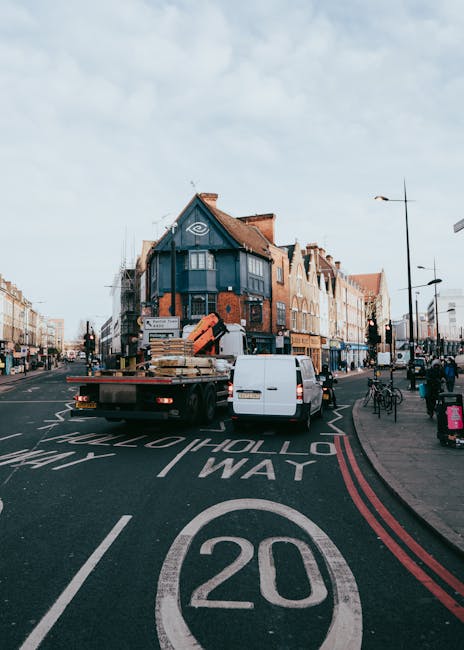
NW5 has its own quirks too: tight residential streets, controlled parking, basement flats, top-floor walk-ups, busy roads near station routes, and the occasional sofa that seems to have been built inside the building and left there forever. All of that can affect labour time, access, and vehicle choice. In this guide, we'll break pricing down in plain English, show you how decent removal quotes are built, and explain where people most often overpay.
Why understanding removals pricing in NW5 matters
Let's face it: moving costs can rise quickly if you do not know what you are paying for. In NW5, that risk is even higher because the local environment often adds real operational challenges. A quote that looks low at first may become expensive once access fees, waiting time, extra labour, or parking complications are added.
Understanding the pricing model helps you do three important things:
- Compare like with like instead of comparing apples with oranges.
- Avoid vague quotes that sound cheap but exclude essentials.
- Choose the right service level for your move, rather than paying for more than you need.
It also gives you confidence. When you know whether a mover is charging for time, volume, mileage, stair carries, or a combination, you can ask sharper questions. That usually gets you a more accurate quote and a smoother move. In our experience, the people who ask the right pricing questions early are the ones who feel least stressed on the day. Funny how that works.
Local context matters too. A narrow street off Malden Road is not the same as a straightforward ground-floor collection, and a timing issue near Gospel Oak station can change how long a vehicle sits waiting. If you want to plan the move itself better as well, the article on timing your move around Gospel Oak station is a helpful companion read.
How understanding removals pricing in NW5 works
Most removal companies build quotes from a handful of core factors. The exact structure varies, but the logic is usually the same: how long the job will take, how much space or capacity is needed, how difficult access is, and whether the service includes extras such as packing, dismantling, or waiting time.
Here are the usual pricing elements in plain terms:
1) Labour time
This is often the main cost driver. If a job takes longer because the property is on an upper floor, there are lots of boxes, or the route from flat to van is awkward, the price will usually rise. Some firms charge by the hour, while others estimate a fixed total based on expected labour.
2) Vehicle size and load space
A smaller job may suit a compact van, while a full house move may require a larger removal vehicle. The wrong vehicle size can be a hidden cost. Too small, and the job may need two trips. Too large, and you may pay for capacity you do not use. Good movers usually help you balance that trade-off.
3) Access conditions
Access is one of the most overlooked parts of removals pricing. Think narrow staircases, no lift, long carries from front door to vehicle, restricted parking, or a building entrance that is hard to reach. A mover who has to navigate all that will often factor it into the quote. Fair enough, really - it is extra work.
4) Distance and travel time
Local NW5 moves are usually priced differently from longer cross-London or regional moves. Even when the mileage is short, traffic and route timing can matter a great deal. A move that looks close on a map may still take a while in real life.
5) Packing and handling requirements
Some items need special care: mirrors, glass tables, mattresses, wardrobes, antiques, pianos, or awkward flat-pack furniture. If you are moving large pieces, this guide to bed and mattress transportation may help you understand why handling complexity affects cost.
6) Add-on services
Examples include packing materials, dismantling and reassembly, storage, furniture protection, and same-day scheduling. A quote may look attractive until these are added. Ask early, and ask clearly.
For readers who want a broader sense of what a professional move can include, the services overview is a useful place to see how different moving needs are usually grouped together.
Key benefits and practical advantages
When you understand removals pricing properly, you get more than just a lower bill. You get better control over the move itself.
- Better budgeting: you can plan the full moving cost, not just the headline price.
- Cleaner comparisons: you can tell when one quote genuinely offers better value.
- Fewer surprises: you are less likely to be hit with extra labour or waiting charges.
- More suitable service choice: you can match the mover to the size and complexity of the job.
- Improved timing: you can book at a point that reduces premium costs.
There is also a practical side people forget. A well-priced move is not always the cheapest one. Sometimes the cheapest quote becomes the most expensive once delays, poor packing, or under-sized vehicles create chaos. It's a bit like buying a cheap umbrella in a storm. Looks fine until the wind picks up.
If you want to reduce volume before the move and keep the price sensible, easy decluttering tactics can make a real difference. Fewer items usually mean fewer boxes, less labour, and a simpler day overall.
Who this is for and when it makes sense
This topic is relevant to almost anyone moving in NW5, but some people benefit especially from getting pricing clear early.
Homeowners and tenants
If you are moving a flat, maisonette, or house, pricing clarity helps you avoid the classic trap of accepting a quote that does not account for stairs, parking, or access restrictions. Those details matter more than people think.
Students
Student moves are often smaller, but time pressure makes people vulnerable to rushed decisions. A clear quote can stop a simple move turning oddly expensive. If that sounds familiar, you may want to look at student removals support for a sense of what streamlined small moves can involve.
Families and larger households
When there are wardrobes, beds, kitchen items, and children's belongings involved, pricing gets more complicated. You may also need help with packing and lifting, which can increase labour time but reduce stress. Truth be told, that trade-off is often worth it.
Small offices and home offices
Office moves are their own thing. Equipment, documents, and desks all add up. A business move that is poorly scoped can cause downtime, and nobody enjoys that. If you are moving work equipment as well as household items, make sure you review office removals as part of your planning.
People moving on tight schedules
If you need a same-day collection or a fast turnaround, pricing often reflects the urgency. That does not automatically mean you are being overcharged, but you should expect fewer scheduling options. For urgent situations, the page on same-day removals is worth a look.
Step-by-step guidance
Here is a simple, practical way to approach removals pricing in NW5 without getting tangled in jargon.
- List everything you are moving. Do this room by room. Include bulky furniture, appliances, fragile pieces, and anything awkwardly shaped.
- Note access details. Mention stairs, lifts, parking restrictions, long walks from property to vehicle, and any timing constraints.
- Decide what help you actually need. Do you want loading only, full packing, furniture dismantling, or just transport?
- Get quotes based on the same information. This is crucial. If each mover receives different details, the quotes will not be comparable.
- Ask what is included. Look for labour, fuel, travel time, vehicle size, waiting time, and protection materials.
- Check optional extras. Packing materials, storage, heavy-item handling, and stair carries can all affect the final price.
- Confirm any likely complications in advance. If the sofa does not fit, or the fridge needs disconnecting, say so early.
- Read the booking terms carefully. Cancellation rules, arrival windows, and payment terms all matter, especially in busy periods.
A small but useful habit: keep the quote notes in writing, even if the first conversation is by phone. A five-line summary can save you a lot of back-and-forth later. And if you are packing alongside the move, the article on efficient packing for a smooth house move pairs well with this section.
Expert tips for better results
Here's where the real savings usually happen. Not in dramatic "secret hacks", just in sensible preparation.
Be brutally accurate about volume
Underestimating how much you have is one of the fastest ways to get a poor quote. If a mover thinks the job is half a van and it turns into a full one, everyone gets frustrated. You do not want that conversation on moving morning, with boxes by the door and someone checking their watch.
Reduce waste before pricing
Decluttering does not just tidy the house. It often lowers the amount of time and space needed. For a practical approach, see preparing your home for moving day for ideas that are simple but genuinely effective.
Schedule with local traffic in mind
NW5 can be awkward at peak times. Morning school runs, station traffic, and local road patterns can all slow a move down. A more strategic time slot may reduce delays and keep labour time under control. If your route crosses busier residential streets, the guide to best routes for moves on Gospel Oak Road gives a feel for why route planning matters.
Be clear about heavy or specialist items
Items like pianos, American-style fridge freezers, or very heavy wardrobes need specific handling. Do not leave that to chance. The price should reflect the labour and care involved, not just the time it takes to load the van. For particularly delicate or complex moves, the article on moving a piano and expert advice explains why specialist jobs are priced differently.
Ask about protection
Blankets, straps, covers, and careful stacking are not fluff. They reduce damage risk. A good company should be able to explain how furniture and floors are protected without sounding vague or defensive.
Stay realistic about DIY help
Helping with smaller boxes can reduce the job size, but only if it is done safely. A rushed attempt to lift a bulky item can backfire, and suddenly the "cheap" move is not so cheap. If you are unsure about lifting technique, the power behind kinetic lifting is a sensible read.

Common mistakes to avoid
Most overpaying problems come from a few very ordinary mistakes. Nothing dramatic. Just easy-to-miss details.
- Choosing the cheapest quote without checking the scope. Sometimes the cheapest option excludes the very things you need.
- Forgetting access issues. Stairs, narrow hallways, and parking challenges can change the price.
- Not specifying fragile or heavy items. This often causes revisions later.
- Assuming packing is included. It often is not.
- Leaving decluttering until the last minute. More items usually mean more cost.
- Ignoring cancellation or waiting terms. These are easy to overlook until they matter.
- Failing to ask about insurance or damage cover. You need to know what protection is in place.
One especially common mistake? Thinking every removal company prices the same way. They do not. A fixed-fee move, a man and van service, and a full household removal can be completely different animals. If your move is relatively simple, it may be worth comparing man and van options against a more full-service approach.
Tools, resources and recommendations
You do not need fancy software to plan a move well. Honestly, a notebook, a phone camera, and a bit of discipline will cover most of it.
Useful tools
- Room-by-room inventory list: helps you estimate volume more accurately.
- Phone photos: useful for showing staircases, furniture size, and access points.
- Measuring tape: invaluable for sofas, beds, appliances, and doorways.
- Calendar reminder: helps you schedule quote comparisons before the move gets urgent.
Practical recommendations
- Make a note of bulky items and specialist pieces first.
- Take pictures of awkward entryways and parking spaces.
- Keep important booking terms in one place.
- Ask whether packing materials or storage are priced separately.
- Check whether the mover offers a clear explanation of pricing before booking.
If you are still deciding between service levels, browsing the company's removal services and removal companies pages can help you understand the kind of support usually available. For furniture-heavy moves, the dedicated furniture removals page may also be useful.
Law, compliance, standards, or best practice
Pricing is one thing, but trust is another. In the UK, you should expect a removal company to operate transparently and to explain its terms in plain English. That means clear booking conditions, sensible handling practices, and a straightforward approach to payment and safety.
A few best-practice points are worth checking:
- Written terms: you should know what is included before you book.
- Insurance and handling awareness: movers should be able to explain how they reduce damage risk.
- Safe lifting practice: heavy items should be handled carefully, not muscled through.
- Payment clarity: fees, deposits, and timing should be clear from the start.
- Fair complaint handling: if something goes wrong, there should be a route for resolving it.
For a clearer picture of how a responsible operator presents its commitments, the pages on insurance and safety, payment and security, and terms and conditions are the kind of material worth reviewing before you commit. Also, if sustainability matters to you, the site's recycling and sustainability information may help you understand how unwanted items are handled.
Options, methods, or comparison table
Different moving jobs suit different pricing models. The right choice depends on how much you're moving, how awkward the access is, and how much of the work you want to hand over.
| Option | Best for | Typical strengths | Watch-outs |
|---|---|---|---|
| Man and van | Small moves, single rooms, light loads | Flexible, often cost-effective, quick to arrange | May not suit large homes or complex access |
| Full removals team | Households, larger flats, family moves | More labour support, better for bulky items | Higher cost if the move is very small |
| Hybrid approach | People who pack themselves but want loading help | Balances cost and convenience | Scope must be very clear or pricing can drift |
| Specialist service | Pianos, fragile furniture, unusual items | More careful handling and appropriate equipment | Usually more expensive for good reason |
In simple terms, the cheapest-looking choice is not always the best value. If you only need a modest service, a van-based solution may be enough. If the property is awkward or the furniture is heavy, a fuller service may actually be the safer and cheaper choice by the end of the day. Strange but true.
Case study or real-world example
A typical NW5 move might look like this: a two-bedroom flat, one narrow staircase, a fridge freezer, a bed frame, two wardrobes, and roughly thirty boxes. At first glance, the client expects a quick job and assumes a light van will do. But once the details are checked, there is no lift, parking is tight, and one wardrobe needs dismantling.
The quote changes, not because anyone is trying it on, but because the actual job is more involved than it first seemed. The smarter version of this move would have included:
- a proper inventory before booking,
- photos of the stairwell and entrance,
- clear mention of dismantling needs,
- upfront discussion of parking access,
- and a realistic estimate of loading time.
What saved the client money in the end was not finding the cheapest mover. It was removing a pile of unused items first, packing efficiently, and being honest about the access. That reduced the time on site and prevented a second-visit charge. A simple move? Not quite. But manageable, yes.
Practical checklist
Use this checklist before you accept any removal quote in NW5.
- Have I listed every room and every large item?
- Have I mentioned stairs, lifts, parking, and distance to the van?
- Do I know whether packing materials are included?
- Have I asked if dismantling and reassembly are extra?
- Do I understand the difference between hourly and fixed pricing?
- Have I clarified waiting time and cancellation terms?
- Have I flagged any fragile, heavy, or specialist items?
- Have I compared at least two or three quotes on the same basis?
- Have I reduced clutter before asking for the final price?
- Do I know how payment is handled and when it is due?
For a final bit of practical prep, it can help to cross-check your packing supplies with packing and boxes guidance. And if you are moving with larger household items, sofa storage and care tips may save you from rushing bulky furniture decisions at the last minute.
Conclusion
The easiest way to avoid overpaying for removals in NW5 is to slow down long enough to understand what the quote really includes. Once you break the price into labour, access, travel, vehicle size, and extras, the whole process becomes much less mysterious. And that matters, because moving is already stressful enough without paying for surprises you never agreed to.
Be honest about your inventory, clear about your access, and careful with any extras. Compare quotes on the same basis. Keep an eye on service quality as well as price. A fair quote should feel explainable, not slippery. If it doesn't, that's usually your sign to keep looking.
Get a free quote today and see how much you can save.
And if your move is shaped by awkward access, tight timing, or specialist items, it is worth spending a little longer on the planning. A calm move is a better move. Honestly, that is half the battle.