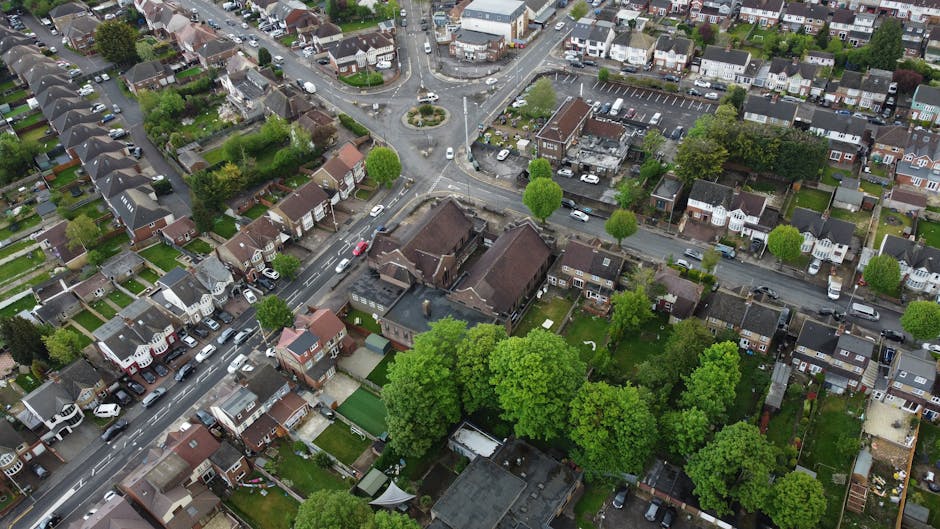
Best routes for moves on Gospel Oak Road
Posted on 26/05/2026
Best routes for moves on Gospel Oak Road: a practical guide for smoother local removals
If you are planning a move on or near Gospel Oak Road, the route matters almost as much as the van size. Narrow residential streets, parked cars, school-time traffic, and time-sensitive access can all turn a simple move into a slow one if you choose the wrong approach. The best routes for moves on Gospel Oak Road are the ones that reduce delays, make loading safer, and keep your move realistic from start to finish.
This guide breaks down the practical side of moving in the Gospel Oak area: which types of roads usually work better, how to plan around access issues, what to do with awkward furniture, and how to keep everything moving without unnecessary stress. If you want a smoother day, a little route planning goes a very long way.
For broader preparation support, you may also find our guides on efficient packing for a smooth house move and preparing your home for moving day useful.
Why Best routes for moves on Gospel Oak Road Matters
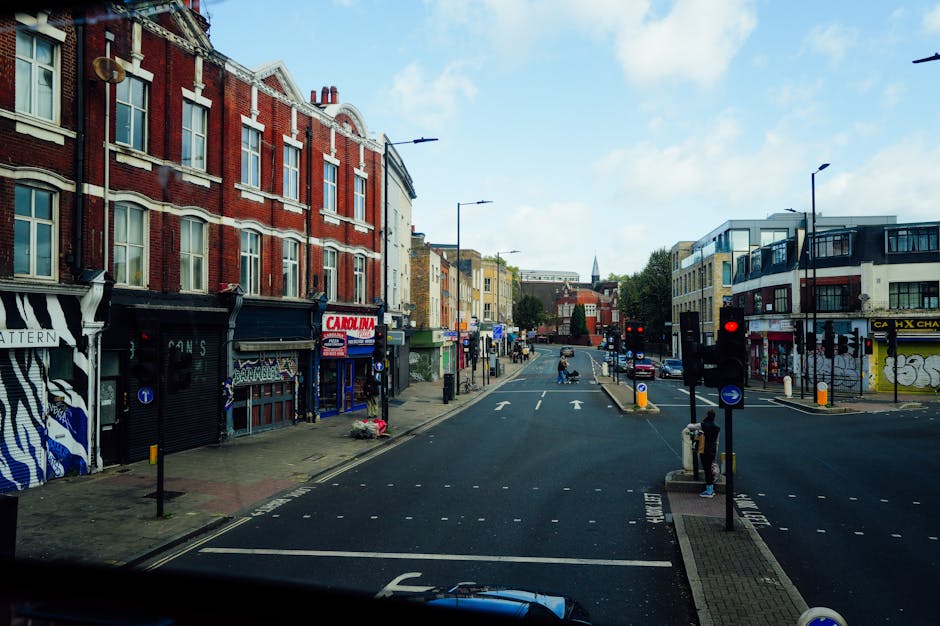
Route choice is not just about getting from A to B. On a move day, it affects timing, safety, parking, loading distance, and even how tired everyone feels by midday. Gospel Oak Road and the streets around it can vary a lot in width, parking availability, and traffic flow depending on the time of day. A route that looks fine on a map may be less suitable for a removal van if it includes tight turns, rushed drop-offs, or limited stopping space.
That matters because moving is usually a chain of small tasks. If the van has to park far away, every box takes longer to carry. If traffic is heavy, the schedule slips. If the route is awkward for a larger vehicle, you may spend energy reversing, waiting, or re-routing instead of getting the move done. In practical terms, the best route is the one that supports the whole job, not just the sat nav.
This is especially important for flat moves, shared houses, student relocations, and same-day jobs where timing is less flexible. If the property has stairs, limited parking, or bulky items, route planning becomes part of the moving strategy rather than a background detail. Our flat removals in Gospel Oak page is a useful companion if your move involves upper floors or awkward access.
Expert summary: the best route is usually the one that reduces reversing, avoids peak congestion, gives the van room to stop safely, and keeps the walk from van to door as short as possible.
How Best routes for moves on Gospel Oak Road Works
In practice, route planning for a move starts before the van leaves the depot. A good mover looks at three things together: the size of the vehicle, the access at both addresses, and the road conditions in between. That sounds obvious, but it is where a lot of moving problems are prevented.
The process usually begins with a quick review of the origin and destination addresses. Are there loading restrictions? Is there enough space to stop near the property? Are there school drop-off times, one-way streets, or height restrictions nearby? Even if a route is technically shorter, it may be slower or riskier in real life.
For local Gospel Oak jobs, the route often needs to balance convenience with practicality. A smaller vehicle or a man and van in Gospel Oak setup can sometimes be more efficient on tight residential roads than a larger removal lorry. For bigger moves, a full-size van may still be the right choice, but the driver may need to approach from a road with better turning space or easier stopping access.
Route planning also works together with packing and loading. Carefully packed boxes, dismantled furniture, and clear labelling reduce handling time once the van is parked. If you have not sorted your belongings yet, the advice in our decluttering guide can help you reduce the volume you need to move in the first place.
In simple terms, the route works best when it supports three goals:
- safe parking or stopping near the property
- minimal time lost in traffic or tight turns
- efficient loading and unloading with less carrying distance
That is the difference between a rushed, stop-start move and one that feels controlled from the beginning.
Key Benefits and Practical Advantages
Choosing the right route gives you more than speed. It improves the whole moving experience in small but important ways.
1. Less time wasted on the road
A sensible route avoids unnecessary traffic bottlenecks and awkward turnarounds. That may sound minor, but a move day can become expensive in time if the van spends too long stuck behind congestion or searching for a safe stopping point.
2. Safer loading and unloading
The closer the van can stop to the property, the fewer trips you need to make. That means fewer chances of dropping items, tripping on curbs, or straining while carrying heavy furniture. If you are handling large items, our article on moving heavy objects more safely offers practical lifting advice.
3. Better protection for fragile items
Long walks between van and door increase the risk of bumps and jolts. A tighter, cleaner route usually means less handling overall. That is particularly useful for mirrors, glass tables, monitors, and boxed kitchenware.
4. Lower stress on the day
Let's face it: nobody wants to start a move by circling the block. A route that is planned with the road layout in mind makes the day feel calmer. You know where the van can stop, how long it should take, and what to expect if traffic slows things down.
5. More efficient use of labour
If movers spend less time navigating difficult access, they spend more time actually moving your belongings. That is especially valuable on tight schedules, student moves, or short-notice jobs. If your move needs speed, our same-day removals service in Gospel Oak may be worth exploring.
Who This Is For and When It Makes Sense
Route planning is useful for almost any move, but it becomes especially important in the following situations.
- Flat and apartment moves: where parking space is limited and access may be shared.
- Student moves: where timing is tight and loads are often smaller but more frequent.
- Family house moves: where there may be a lot of furniture, boxes, and children to organise.
- Office relocations: where the move has to happen with minimal downtime.
- Bulky or specialist items: such as pianos, beds, sofas, or appliances.
It is also worth paying attention if you are moving during busy periods, bad weather, or a school run window. In those cases, the route can make a surprising difference to how smoothly the day unfolds. For example, a move that includes a large sofa or narrow stairwell may benefit from extra planning and a dedicated vehicle. See our furniture removals service if you are moving bulky household items.
If you are moving a keyboard, upright piano, or similar specialist item, do not rely on guesswork. The route, turning space, and vehicle access should be checked alongside the handling plan. Our piano removals in Gospel Oak page explains why specialist care matters.
Step-by-Step Guidance
Here is a straightforward way to plan the best route for a move on Gospel Oak Road without overcomplicating it.
- Check both addresses first. Look at the exact entrance points, not just the postcode. A front door on a quiet side street may be easier to use than the main road entrance.
- Identify access constraints. Note low bridges, one-way systems, parking restrictions, narrow turns, and any loading limitations near the properties.
- Choose the vehicle to match the route. A smaller van may be more manoeuvrable on tighter roads, while a larger vehicle may be better for single-trip efficiency if access allows.
- Plan the loading order. Put heavy or awkward items in the van in a way that reduces reshuffling. If the route involves stairs or long walks, keep the most needed items easiest to reach.
- Build in time for parking and unloading. A route may be "short" on paper but still require a little extra time to find a safe place to stop.
- Coordinate timing with the neighbourhood rhythm. Try to avoid obvious pressure points such as school drop-off, evening commutes, or other predictable congestion windows.
- Have a backup approach. If one side of the road or one access point is blocked, know your alternative entry point before the van arrives.
A useful habit is to think in terms of "last 50 metres". That final stretch from the van to the front door is often what slows moves down the most. Route planning should make that part as easy as possible.
If you are still organising boxes, the practical packing advice in packing and boxes in Gospel Oak can help you avoid last-minute scrambles.
Expert Tips for Better Results
These are the kinds of small decisions that make local removals feel smoother.
Use the entrance that saves the most handling
Sometimes the front entrance looks obvious, but the back access, courtyard, or side gate is actually easier for a van. Walk the route from the van's stopping point to the property before move day if you can. That short walk can reveal trip hazards, steep kerbs, or blocked pavements that are easy to miss from the car.
Keep the van route simple
When roads are tight, the simplest route is often the best. Fewer turns generally mean fewer chances of delays. That does not always mean the shortest route by distance. It means the route with the least friction.
Protect time by reducing item volume
Less stuff usually means a better move. It is not glamorous, but decluttering is one of the easiest ways to make the route and loading process work better. Our decluttering tips and packing guide are both worth reading if you want a more organised move.
Prepare special items separately
Mattresses, sofas, and appliances often need different handling. A mattress, for example, is awkward to carry in wind or rain and can be difficult to manoeuvre through narrow entrances. Our guide on bed and mattress transportation gives a practical overview.
Respect the limits of the road, not just the schedule
Some routes will simply not suit a large vehicle at certain times. A smart mover accepts that early rather than trying to force the issue. That's not being cautious for the sake of it; it is good logistics.
For storage-bound items, plan the route to the unit too
If your move includes storing items temporarily, the route to the storage site should be just as considered as the route between homes. Our storage in Gospel Oak page and the article on long-term sofa storage care are useful if your move is split across multiple stages.
Common Mistakes to Avoid
Most route-related problems come from a handful of predictable mistakes. Avoiding them can save a lot of hassle.
- Trusting the sat nav blindly: navigation apps are useful, but they do not always account for moving vans, loading needs, or local restrictions.
- Ignoring parking reality: a road may be drivable but not practical for unloading a house full of furniture.
- Leaving route planning to the last minute: by then, any problems become more expensive to fix.
- Underestimating bulky items: a sofa or wardrobe can change the whole plan.
- Assuming every property entrance is equally usable: some look straightforward until you test them with boxes and a trolley.
- Overfilling the van: when the van is packed poorly, unloading becomes slower and the route efficiency matters less than the handling chaos inside the vehicle.
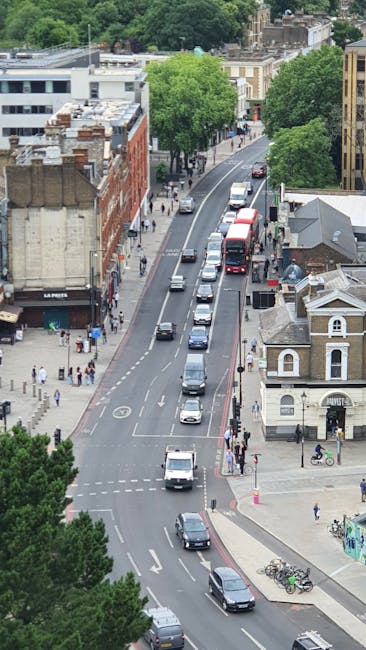
Another common mistake is forgetting that access on move day may be different from access on a quiet weekday evening. Traffic, parked cars, bins, and delivery vehicles can all change the picture. A route that worked during a quick viewing is not always the route that works during a removal.
If your move is tied to short notice, you may want to look at man with a van services in Gospel Oak or a dedicated removal van option, depending on the scale of the job.
Tools, Resources and Recommendations
You do not need fancy equipment to plan a good route, but a few practical tools help.
- Map app with street-level detail: useful for checking turning points and alternative approaches.
- Basic measuring tape: helpful for checking whether furniture will clear doors, hallways, or gates.
- Printed move plan: useful if mobile signal is patchy or people on the day need a quick reference.
- Labels and colour-coded boxes: reduce the time spent hunting for essentials.
- Furniture covers and blankets: protect items when carrying them over longer distances.
- Sturdy gloves and suitable footwear: simple, but often overlooked.
For a smoother move overall, it helps to combine route planning with packing and preparation support. Our stress-free move guide is a good read if you want a broader checklist mindset.
Some moves also benefit from professional help with dismantling, loading, and item protection. If you want a service overview before deciding, the services overview page is a sensible place to start.
Law, Compliance, Standards, or Best Practice
Route planning for a move is not usually about formal paperwork, but it should still follow sensible UK road and safety practice. In a practical sense, that means parking legally, avoiding obstruction, not blocking emergency access, and keeping loading/unloading safe for everyone involved. Where restrictions exist, they should be checked in advance rather than assumed away.
If a vehicle stops on a public road, the mover should consider pedestrian flow, visibility, and local parking rules. This is particularly relevant in busy residential areas where space is limited. A good moving company will also think about insurance, item handling, and workforce safety. Those are not optional extras; they are part of responsible removals work.
For readers comparing providers, it is sensible to review policies before booking. Our pages on insurance and safety, health and safety policy, and terms and conditions can help set expectations. If you are particularly focused on fair handling and responsible sourcing, the recycling and sustainability page also adds useful context.
One more practical note: if access is difficult or parking is constrained, it is usually better to mention that early. Clear information helps the mover decide whether a route adjustment, a smaller vehicle, or extra time will be needed.
Options, Methods, or Comparison Table
There is no single "best" route for every move on Gospel Oak Road. The right choice depends on your load, timing, and access. The table below shows how the main route approaches compare in real-world terms.
| Approach | Best for | Strengths | Limitations |
|---|---|---|---|
| Shortest distance route | Small moves with easy access | Quick on paper, simple to explain | May include tight streets, parking pressure, or awkward turns |
| Simplest manoeuvre route | Large vans and bulky loads | Reduces reversing and access stress | Can take longer by distance |
| Off-peak timing route | Time-sensitive residential moves | Less congestion, calmer loading | May require a more flexible schedule |
| Smaller-vehicle approach | Flat moves, student moves, narrow roads | Easier parking and access | May need more trips if the load is large |
| Multi-stop route | Storage plus home move, split deliveries | Flexible and practical for staged moves | Needs more coordination and time management |
In many cases, the best route is not the fastest route but the route that creates the fewest problems at the property. That distinction sounds small, but it is often what makes the difference between a smooth day and a frustrating one.
Case Study or Real-World Example
Consider a typical local move from a first-floor flat near Gospel Oak Road to another property a short distance away. On the map, it looks straightforward. In reality, the better route may not be the one with the shortest mileage.
If the shortest route passes a narrow pinch point and gives the van very little room to stop, the driver may spend extra time repositioning. That means more carrying, more waiting, and more risk of blocking other vehicles. A slightly longer route using a wider turning area and a better unloading point may actually save time overall.
Now add a sofa, a mattress, and a few boxes of books. Suddenly, the details matter. The sofa is awkward to carry through a tight entrance. The mattress needs careful handling so it does not snag on railings or pick up dirt. The boxes need to be loaded in a logical order so the first items needed at the new property are not buried at the back.
In that kind of move, a well-planned route works hand in hand with preparation. Items are packed properly, the van parks close enough to reduce carrying distance, and the job stays controlled. Nothing dramatic. Just fewer surprises, which is usually exactly what people want on moving day.
Practical Checklist
Use this checklist in the days before your move to keep the route side of things under control.
- Confirm both full addresses and exact access points.
- Check for parking restrictions, loading limits, or one-way streets.
- Measure bulky items that might affect carrying or turning space.
- Decide whether a smaller van or full removal vehicle is more suitable.
- Plan for peak traffic periods and school-run windows.
- Prepare boxes, labels, and protective materials in advance.
- Set aside essential items for easy access on arrival.
- Share any access concerns with the mover before the day.
- Make a backup plan if the primary stopping point is unavailable.
- Review safety, insurance, and service terms before booking.
For specialist support with moving houses, offices, or flats, you may also want to review house removals in Gospel Oak, office removals in Gospel Oak, or the wider removals service for Gospel Oak.
Conclusion
The best routes for moves on Gospel Oak Road are rarely the most obvious ones. They are the routes that reduce hassle: easier stopping, fewer awkward turns, less carrying distance, and less time lost to avoidable congestion. If you plan the route alongside packing, access, and item handling, your move becomes far more manageable.
The key is to think like a mover, not just a driver. Check the road, check the entrance, match the vehicle to the job, and keep the process simple. That approach works for flats, family homes, student moves, and specialist items alike. And if your move involves a lot of furniture, storage, or short notice timing, getting proper help early can save a lot of energy later.
Get a free quote today and see how much you can save.