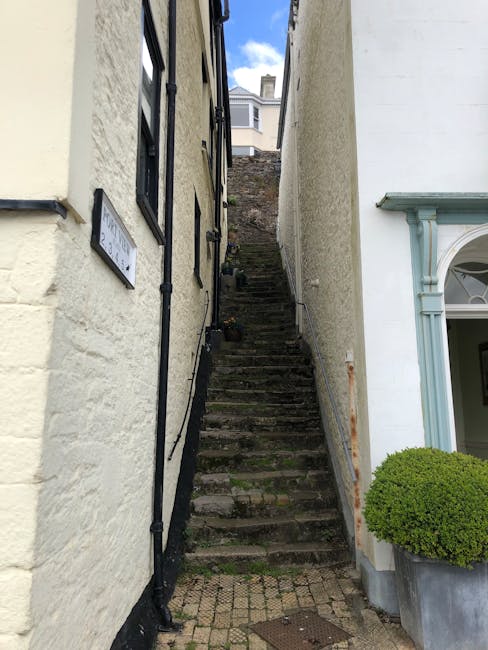
Practical fixes for tight staircases on Fortess Road
Posted on 14/06/2026
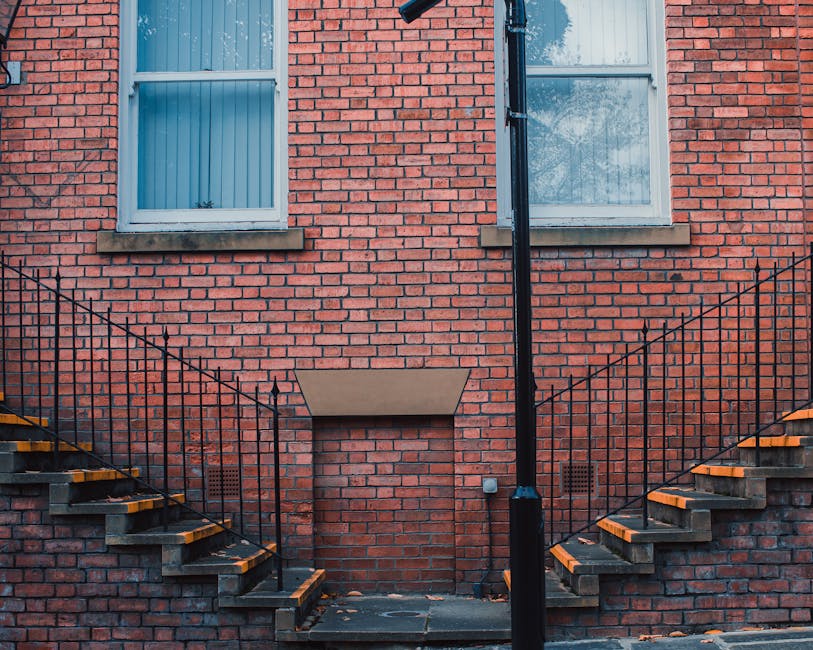
If you have ever tried to get a sofa, wardrobe, mattress, or even a bulky box set up a narrow stairwell, you will know the feeling: a pause at the bottom of the stairs, a careful look at the turn, and that quiet little question of will this actually fit? Practical fixes for tight staircases on Fortess Road are all about solving that problem before it turns into damaged walls, strained backs, or a move that drags on far longer than it should. In a real London property, especially in older buildings, the staircase is often the bottleneck. This guide walks through what works, what does not, and how to make the whole thing smoother from the first measurement to the final lift.
For readers planning a move nearby, a bit of prep goes a long way. Good packing, a sensible route through the building, and the right lifting approach can save surprising amounts of time. If you want broader moving guidance alongside these access fixes, it can help to read the ultimate guide to efficient packing for a smooth house move and how to prepare your home for moving day.
Why practical fixes for tight staircases on Fortess Road matter
Tight staircases are not just an inconvenience. They shape the entire moving plan. On Fortess Road and nearby streets, stairwells can be steep, curved, boxed-in by old banisters, or tight at the turn between floors. That means a straightforward job on paper can become a slow, awkward carry in practice. The issue is rarely one thing; it is usually the combination of stair width, ceiling height, awkward landings, and a piece of furniture that was never designed with narrow British stairs in mind.
Why does this matter so much? Because the staircase is where most avoidable damage happens. Scraped paint, chipped plaster, dented skirting boards, and strained fingers all tend to show up at the point where confidence meets a tight corner. It is also where delays happen. One item that gets stuck can hold up the whole schedule. Truth be told, nobody enjoys standing on a landing while three people quietly re-plan the next move.
This is also where proper preparation pays off. If you are moving a heavy, awkward, or fragile item, it is worth thinking in advance about dismantling, protection, and the order in which items come down. For especially awkward furniture, the advice in lifting heavy objects safely and kinetic lifting techniques is relevant because a staircase is unforgiving if your lifting method is poor.
How practical fixes for tight staircases on Fortess Road works
The basic idea is simple: reduce the size of the load, improve the route, protect the property, and control the movement. In practice, that means measuring the staircase, identifying pinch points, and planning how each item will be turned, lifted, or carried. The best fixes are rarely dramatic. They are small adjustments that remove friction one step at a time. Step by step, literally.
A good staircase strategy usually starts with a quick access survey. That may include measuring the narrowest width, checking the ceiling at the turn, noting any low light fittings, and spotting anything that may catch on corners. Then comes item prep: removing feet, taking doors off hinges, taking apart bed frames, or using blankets and corner protectors so the staircase is not taking the hit.
It also helps to think about timing and load order. For example, moving the easiest items first can create breathing room. In some cases, the right move is not to force a bulky piece up the stairs at all, but to use storage, re-pack, or choose a different collection route. If the schedule is tight, a same-day option can be useful, and the local guidance on last-minute moving options can help you decide what is realistic.
Key benefits and practical advantages
When a tight staircase is handled properly, the payoff is bigger than most people expect. You save time, yes, but you also lower stress, cut the risk of property damage, and reduce the chance of having to abandon a move halfway through a turn. That alone is worth a lot on a busy moving day.
- Less damage to walls and bannisters: careful planning and protection stop the usual knocks and scrapes.
- Lower lifting risk: better handling means fewer awkward twists and fewer desperate last-second catches.
- Faster flow through the property: once the tricky staircase is solved, the rest of the move tends to move better too.
- Less stress for everyone: there is a huge difference between a controlled carry and a panicked shuffle.
- Better use of help: when people know their role, they stop getting in each other's way.
There is also a quieter benefit: confidence. The moment you know the landing has been measured and the furniture has been partially stripped down, the move feels more manageable. That matters on the day, especially if you are dealing with a busy street, limited parking, or a building where the stairs already feel a bit cramped before you start.
Expert summary: the best fix for a tight staircase is usually not brute force. It is a mix of measurement, reduction, protection, and coordination. If one of those four is missing, the whole move gets harder.
Who this is for and when it makes sense
This approach is useful for a wide range of people. Flat movers dealing with period properties will recognise the problem immediately. Students moving into shared houses often face narrow communal stairs, and family homes can be just as awkward if the staircase twists sharply. It is also relevant for offices, studio spaces, and anyone moving through upper-floor accommodation where access is the real obstacle, not the item itself.
It makes sense whenever the staircase looks like a potential pinch point. That includes:
- curved or half-landing staircases
- loft conversions with steep steps
- terraced homes with narrow hallways
- properties with low ceilings near the turn
- moves involving sofas, beds, wardrobes, pianos, or white goods
- situations where you only have one narrow route in and out
If you are moving a larger item, the question is often not whether it is heavy, but whether it can be rotated safely in the available space. Some items respond well to dismantling and careful reassembly; others are more about angle and technique. For specialty pieces, it is worth reading up on the complexities of moving a piano or the dedicated piano removals service information if the item is truly awkward.
Step-by-step guidance
Here is the cleanest way to approach a tight staircase without turning the day into a headache.
- Measure first. Check stair width, landing space, ceiling height, and the dimensions of every bulky item. Do not guess. Guessing is how people end up stuck halfway up the stairs looking slightly offended.
- Remove what you can. Take off legs, cushions, doors, headboards, and detachable shelves. The smaller the item, the easier the angle.
- Protect the route. Use blankets, covers, and corner protection on edges and railings. Even a short carry can leave marks if the item swings.
- Choose the right carry order. Heavier, tighter items should be handled when people are still fresh. Save the quick wins for later.
- Assign roles. One person leads, one guides from behind, and one watches corners or landings. Too many voices at once makes everything worse. Much worse.
- Use controlled angles. On stairs, the best path is not always straight. Sometimes a slight tilt or sideways turn is the only safe option.
- Pause at each landing. Reset grip, check footing, and communicate before the next move.
- Stop if the item jams. Reposition rather than pushing harder. Forcing it is where damage and injuries tend to start.
If the item still feels too large once measured, it may be better to change the plan rather than the muscle. That is especially true for sofas and mattresses. The advice in bed and mattress transportation and sofa storage and handling can make a real difference here.
Expert tips for better results
A few small habits make staircase work much smoother. First, always test the route with your hands and eyes before lifting. Walk it once empty. You will notice hazards that are not obvious at ground level, like a protruding radiator pipe, a loose carpet edge, or a tight turn that looks fine until you actually reach it with a bulky item.
Second, use clean, consistent communication. Short phrases work best: "pause", "tilt", "clear", "higher", "down". Long instructions just clutter the moment. And yes, people do sometimes talk themselves into a muddle mid-carry. It happens.
Third, think about packing density. Overfilled boxes are a nightmare on stairs because they wobble and put all the strain in the wrong place. The structure in decluttering your home before the move and packing materials and boxes guidance can help you keep loads calmer and more balanced.
A few more practical details:
- wear shoes with good grip, not smooth soles
- keep hands free of bulky jewellery or loose sleeves
- wrap sharp corners before moving them upstairs
- avoid carrying drinks, tools, or extra clutter while lifting
- if the staircase is dark, add temporary lighting rather than guessing foot placement
One more thing. If the job involves more than one awkward item, schedule the hardest pieces first. By mid-afternoon, people get tired, and narrow stairs feel narrower. Funny how that works.
Common mistakes to avoid
The most common mistake is trying to "just squeeze it through". That phrase causes more trouble than it solves. A sofa that seems nearly close enough can snag on the banister, twist awkwardly, or put so much side pressure on the frame that it shifts suddenly. Not ideal.
Another mistake is failing to measure the item in its carrying orientation. A wardrobe may look manageable standing upright, but once tilted for the stair angle, it may need far more space than expected. Similarly, a mattress can seem harmless until you realise the bend at the landing gives you no room to rotate it cleanly.
People also often forget the route outside the staircase. If the front door opens inward, the hallway may be too cramped for a good turning angle. If there is street clutter, poor parking, or an awkward entrance, the stairs are only one part of the problem. Planning the whole access route is what keeps the job from stalling halfway.
- do not ignore railings, lamps, or wall corners
- do not carry too many boxes at once
- do not assume everyone on the team can see the same hazard
- do not leave dismantled parts unlabelled
- do not rush the first landing turn
If you are using professional help, make sure the team knows about the staircase before arrival. That is where insurance and safety guidance becomes part of the practical plan, not just paperwork.
Tools, resources and recommendations
You do not need a van full of specialist kit to handle tight stairs, but the right basics matter. A few pieces of equipment are worth having close by, especially for older buildings or awkward loads.
| Tool / aid | Best use | Why it helps |
|---|---|---|
| Furniture blankets | Protecting walls, bannisters, and item edges | Reduces scuffs and absorbs small knocks |
| Straps or lifting grips | Heavier items and two-person carries | Improves control and reduces hand strain |
| Corner protectors | Sharp turns and tight landings | Prevents damage at pinch points |
| Platform trolley | Flat sections before or after the stairs | Saves energy on the easier parts of the route |
| Temporary lighting | Dim stairwells | Improves footing and reduces mistakes |
For a home move with lots of items, it is also worth considering storage or phased packing. Sometimes the cleanest fix is to move less in one go. That is where storage options and service overview information can help you decide what should travel now and what can wait.
And if your move needs a quicker pace, the pages on same-day removals and man with a van support are useful starting points for understanding what a faster, lighter approach can look like.
Law, compliance, standards, and best practice
This topic is mostly practical, but safety still matters. In the UK, the general expectation is straightforward: moves should be planned so that people are not put at unnecessary risk, and property should be handled with care. For staircases, that means sensible lifting, clear communication, and not overloading a person or an item just to save a few minutes.
Best practice usually includes:
- keeping access routes clear of trip hazards
- using enough people for the weight and shape of the item
- protecting walls, floors, and banisters where contact is likely
- stopping work if the move becomes unsafe or unstable
- making sure everyone involved understands the route and their role
If a building has communal areas, it is also courteous to minimise disruption. That can mean moving at quieter times, being careful with noise, and avoiding leaving items in hallways longer than needed. For anyone moving near stations or busier routes, timing can make a noticeable difference; the notes on timing your move around station traffic are useful in that respect, even if your staircase is the main issue.
Nothing here is about being overly formal. It is about keeping the move safe, tidy, and predictable. That is usually enough.
Options, methods, or comparison table
There are usually three broad ways to deal with a tight staircase: dismantle the item, carry it carefully with protection, or avoid the staircase route altogether. Which one works best depends on the item, the building, and how much time you have.
| Method | Best for | Pros | Limitations |
|---|---|---|---|
| Dismantling | Wardrobes, beds, shelves, some desks | Makes items smaller and easier to angle | Needs time, tools, and careful labelling |
| Controlled carry | Sofas, mattresses, boxes, lighter furniture | Fast when the route is just about workable | Can be risky if the staircase is very tight |
| Alternative route or staged move | Very bulky or fragile loads | Reduces pressure on the staircase | May require storage or an extra trip |
In practical terms, dismantling is best when the item can be reassembled without drama. Controlled carrying is best when the turning space is adequate and the team is experienced. A staged move works well when access is poor but the overall move can be split into manageable parts. For furniture-specific planning, furniture removals guidance is a sensible reference point.
Case study or real-world example
A fairly typical Fortess Road scenario might involve a two-bedroom flat in a converted Victorian house. The staircase is narrow, the landing turns sharply, and the sofa is only a few centimetres shorter than the width you would like. At first glance, it looks like a brute-force job. In reality, the fix is planning.
First, the team measures the sofa, including the rear frame and the widest arm. Then they compare that to the stair width and landing turn. The feet come off. The cushions are removed. The route is protected with blankets at the turning point. One person leads from below, another guides from above, and the sofa is rotated slowly on the landing rather than pushed through in a straight line. The whole move takes longer than a standard lift, but the staircase survives intact and nobody ends the morning gritting their teeth.
That sort of result is common when preparation is taken seriously. It is not flashy. It is just efficient, and honestly, that is what you want on a cramped London staircase.
Practical checklist
Use this before moving day, or even the evening before if things are moving quickly.
- Measure the staircase, landings, and the widest part of each bulky item
- Check for low lights, railings, sharp corners, and loose carpet edges
- Decide which items should be dismantled
- Remove feet, doors, cushions, shelves, or handles where possible
- Protect the route with blankets or corner guards
- Assign one lead person and clear hand signals or short calls
- Pack boxes so they are firm, balanced, and not overfilled
- Keep tools, keys, tape, and fixings in a labelled bag
- Plan the hardest carry for the start of the day
- Have a fallback plan if an item will not turn safely
- Tell everyone involved about the staircase before the van arrives
If you are still in the planning stage, a little decluttering now can save a lot of stair drama later. The guidance in easy decluttering tactics and stress-free moving preparation is worth using before you start lifting.
Conclusion
Practical fixes for tight staircases on Fortess Road are really about making difficult access feel manageable. Measure properly. Reduce the size of what you are moving. Protect the building. Keep the team in sync. Do those things, and the staircase stops being a blocker and becomes just another part of the route.
Not every item will glide through easily, and that is fine. Sometimes the right answer is dismantling, sometimes it is storage, and sometimes it is simply calling in more experienced help. The key is to choose the option that is safest and most efficient, not the one that feels bravest in the moment. Let's face it, staircases do not care about bravado.
If your move involves a tight stairwell, plan early, measure twice, and keep the route simple. That approach saves time, reduces stress, and protects your property in a way that feels calm rather than frantic. And on a busy London street, calm is underrated.
Get a free quote today and see how much you can save.